Navigate stations with less friction
Tokyo's railways are punctual and well signposted, yet their scale can still slow a newcomer down. Most of the friction happens inside stations rather than on the trains: choosing the right gate, the right platform and the right exit. A few terms and a steady routine make the whole system far easier to read.
Several networks share one map
What looks like a single network is really several. The JR lines include the Yamanote loop and lines that cut across the city; two separate subway systems thread beneath the centre; and private railways run out to the suburbs, some continuing directly onto subway tracks so that one train changes identity partway through its journey. Changing between operators can mean passing through another set of gates and paying a separate fare, which route-planning tools will show if you look closely.
Lines are colour-coded, and many stations carry a short code made of a line letter and a number. Remembering the code of your destination is often quicker than reading a long station name on a crowded platform sign.
Station terms worth knowing
- Ticket gate
- The automatic barriers where you tap a card or insert a ticket, both on entering and on leaving.
- IC card
- A rechargeable contactless transit card. Tap it at the gate and the fare is deducted at the end of the journey. Many shops and vending machines accept it too.
- Fare adjustment machine
- A machine beside the exit gates for topping up a card or paying the difference when a ticket was too cheap for the trip.
- Transfer gate
- A set of barriers inside a station that separates one operator's lines from another's, used when changing between them.
- Local, rapid and express
- Train types on the same line. Faster services skip smaller stations, so check that the train stops where you need it.
- Exit numbers and letters
- Large stations have many exits, each with a code or a direction name. The right one can save a long walk at street level.
- Priority seats
- Seats near carriage doors reserved for older passengers, pregnant passengers, people with disabilities and those with small children.
- Women-only cars
- Carriages set aside for women on some lines at certain times, marked on the platform and on the train.
Follow the line colour, not the crowd. The crowd is going somewhere else.
Paying for each ride
A rechargeable IC card is the simplest option for most visitors, because it works across operators and removes the need to read fare charts. Availability of physical cards and phone-based versions can change and depends on your device, so check the current situation before you travel. Cards are usually topped up with cash at station machines.
Paper tickets work too. Fares are shown on a chart above the machines; if you cannot find your destination, buy the cheapest ticket and settle the difference at a fare adjustment machine on arrival. Various day passes and regional rail passes also exist, but their coverage differs and some do not include every operator. Whether one makes sense depends entirely on the rides you will actually take, so compare it against your planned routes rather than buying on assumption.
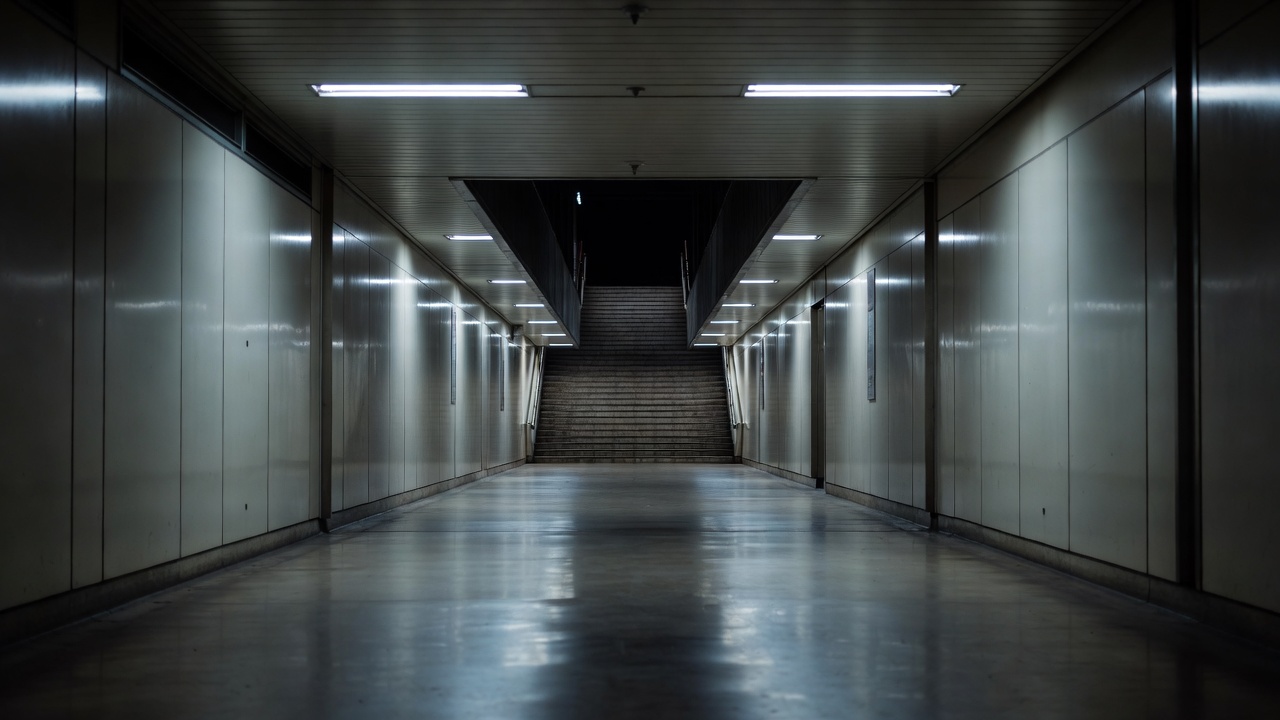
A calm routine at a large interchange
- Before heading underground, note the name, colour and code of your next line and the direction of travel, usually given as the final stop.
- Follow overhead signs by line colour and name; signs repeat often, so there is no need to hurry.
- At a transfer gate, tap once and wait for the gate to open. If it closes, step aside and look for the staffed window.
- On the platform, read the departure board for the train type and confirm it stops at your station.
- Wait at the marked boarding position and let passengers off before stepping on.
- Before leaving your destination station, check the station map for the exit closest to where you are going.
- If you lose your bearings, return to a clearly signed point, such as the main gates or a numbered exit, and start again from there.
Time rides around the city's rhythm
Weekday mornings and early evenings are the busiest periods on lines serving business districts, and travelling with large luggage then is hard for everyone. Shifting a journey slightly earlier or later often makes it far more comfortable.
Last trains on many lines run around midnight, but the time differs by line, direction and day of the week, and the final connection on a branch line can leave earlier than the last train on the main route. Check before you set out for the evening. If something goes wrong, station staff can help with lost items, gates that refuse a card and missed connections, and many lines make announcements in English during disruption.